How to Read Cannabis Labels Like a Budtender
Cannabis labels can look super intimidating, to the point where people get overwhelmed, stop asking questions, & make a completely uninformed choice.
Obviously, that’s a mistake. Why else would we be here?
In most American dispensaries, where the help can range from high-quality to high-as-hell, knowing how to read those labels yourself becomes one of the best tools you have as a savvy consumer.
So, let’s look more closely at all those words & numbers to figure out what they really mean.
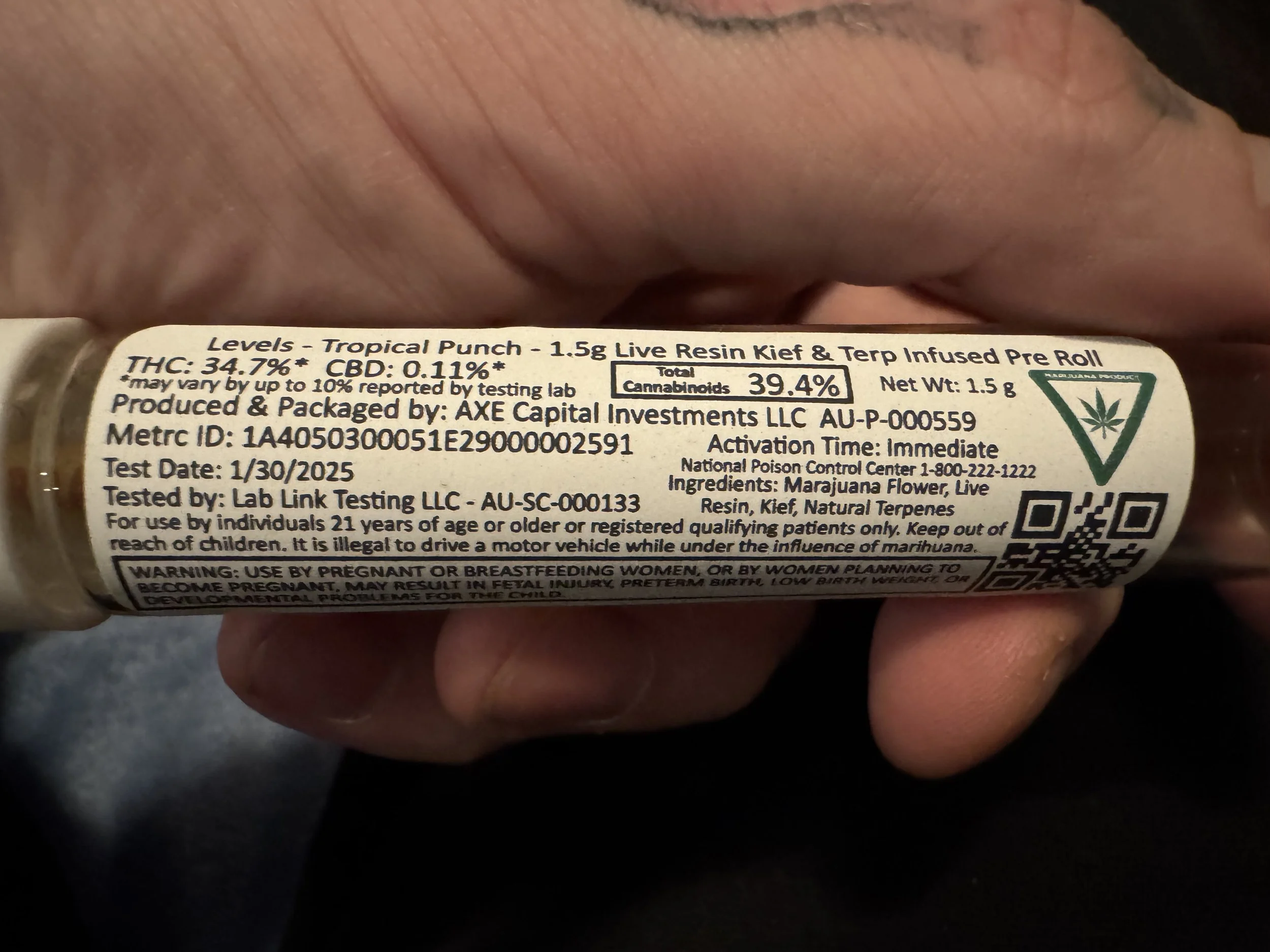
Levels METRC label from 2025
What is “METRC” & why does it exist?
Legal cannabis, seen similarly to food & medicine, is heavily tracked from seed-to-sale.
As of publishing this, 23 states, including where I work in Michigan + D.C. & Guam, use a tracking system called the (M)arijuana (E)nforcement (T)racking (R)eporting (C)ompliance.
“M.E.T.R.C.”, pronounced “metric”. Catchy, right?
Well, memorable or not, the aims are actually pretty clear:
Track legal cannabis through the entire process to ensure consumer safety
Help with recalls if there’s contamination
Prevent illegal cannabis from entering the market
Keep testing accountable & consistent
Basically, if a bad batch hits shelves, investigators should be able to see exactly where it came from, where it went, & who handled it along the way.
What Information is Tracked?
Cannabis products are followed closely throughout their production, from cultivation to harvest, processing, & eventually to retail sale to the consumer or patient.
Pretty much everything that you think could matter is tracked by METRC. For instance, in Michigan, those METRC labels must include:
Business or trade name
License number
METRC package tag
Harvest date
Strain name
Net weight
THC & CBD percentages
Testing lab information
Activation time
Government warning labels
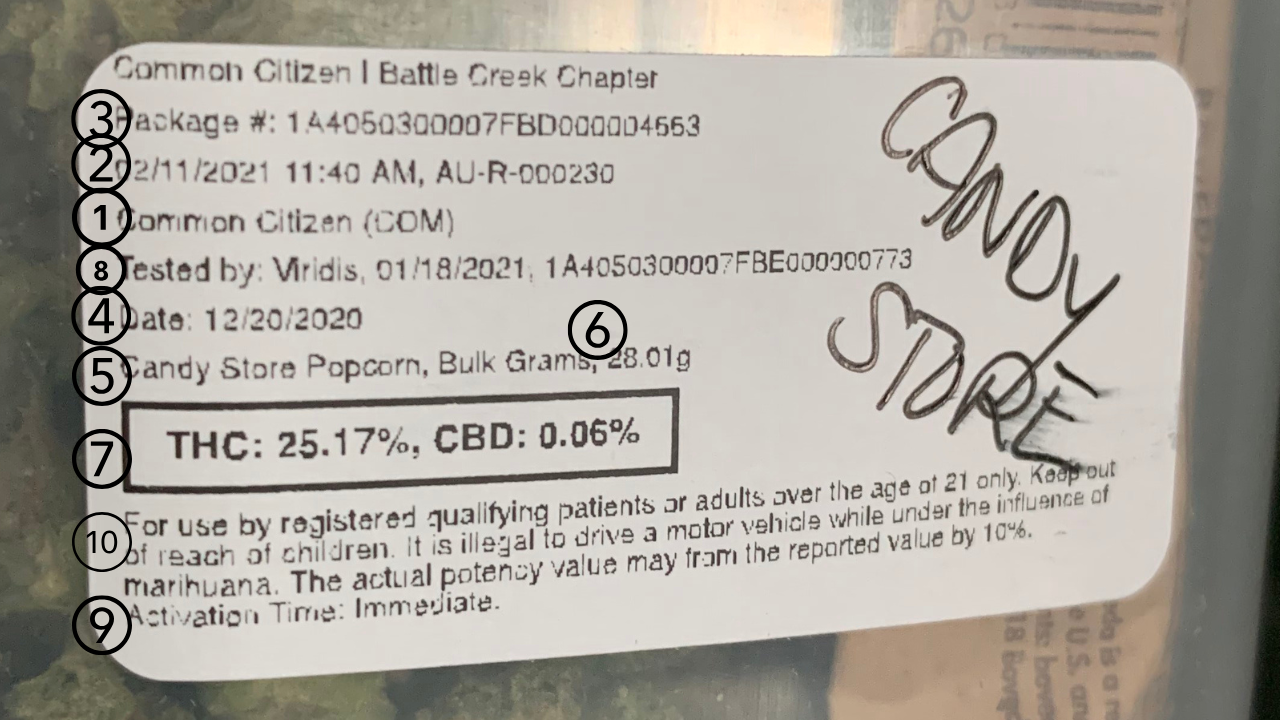
Common Citizen-created Michigan METRC label from 2021
That’s a LOT for a tiny sticker, but not all information matters equally when you’re shopping. Some of it exists for regulators, some exists for safety, & some is actually useful for consumers.
How is the metrc system tracked?
The METRC system works like a giant state-wide digital inventory network. Every scan gets logged into the system by licensed businesses along the way, creating a traceable history that regulators can follow in real time.
This helps states monitor safety, recalls, testing compliance, inventory movement, & taxation across the entire cannabis industry.
On bulk flower packages, transfer bins, & many other cannabis products, you’ll usually find a light blue label clipped or attached to the side. It’s a tracking tag with an RFID chip, barcodes, & unique tracking numbers, kind of like a UPS or FedEx label for legal cannabis products.
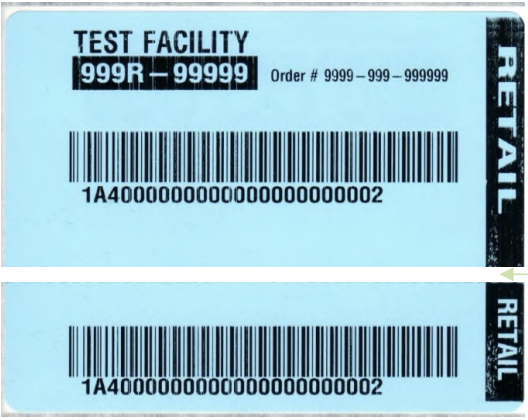
METRC RFID Sticker
What to look for on a Metrc label
Strain names, brands/growers, & THC percentages are the obvious things most people notice first, but what about all the other information packed onto the label?
Here are some of the biggest things experienced budtenders look for when they shop for their own cannabis! The details that can help you make smarter, more intentional choices at the dispensary.
Harvest Date
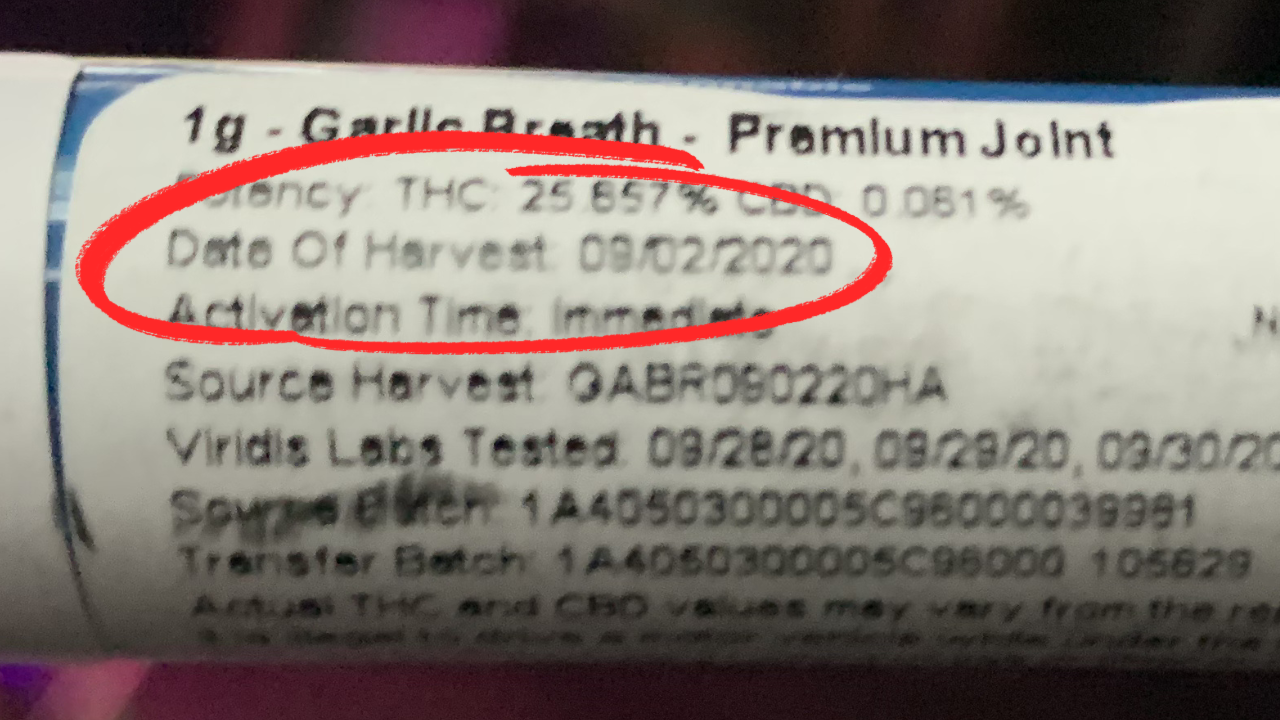
Choice Labs METRC label from 2020
Freshness matters, especially with fresh flower. Terpenes slowly degrade over time, meaning older cannabis can lose flavor, aroma, & it usually degrades the overall experience.
Flower testing at 30%+ THC, harvested a year ago, is likely worse than a fresher batch, testing lower.
That’s why I look for the freshest options when picking from a group – or skip to something else altogether.
Fresher by a slim margin, like a couple of weeks, doesn’t always mean “better,” but as time goes by, fresh product deteriorates, regardless of initial quality. Try to grab a more recently harvested flower.
Cannabinoid Percentages
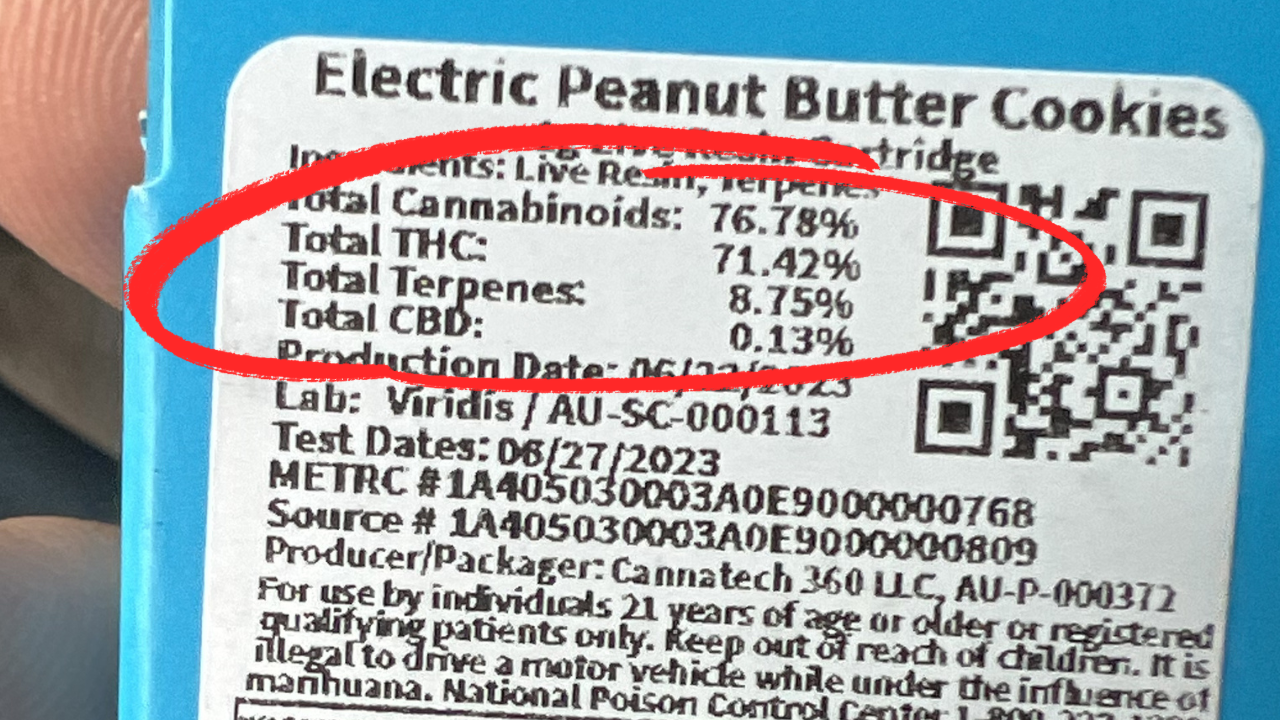
Common Citizen-created Michigan METRC label from 2023
While the exact numbers may not matter nearly as much as folks believe, knowing the level of THC, CBD, & other cannabinoids is massively important for a large number of users. Too-potent or not-potent-enough experiences can be all sorts of negative.
Rather than THC%, I look for significant amounts of additional cannabinoids.
As we talked about in previous blogs, it’s actually the cannabinoids & terpenes working together to shape effects far more than THC percentage alone, so a larger quantity of other stuff is, for most, a great thing.
What matters besides the METRC Label
Ironically, some of the most important cannabis information is often the stuff that isn’t required on the METRC label. For instance, many products still don’t clearly list terpene percentages, extraction solvents, or detail their genetics.
“Sativa / Hybrid / Indica” labels aren’t even required because that’s all just marketing shorthand.
As we covered in a previous blog, those labels are mostly broad marketing shorthand, not reliable predictors of effects. Cannabinoids, terpenes, freshness, dosage, & your own body chemistry matter far more.
Terpene percentages
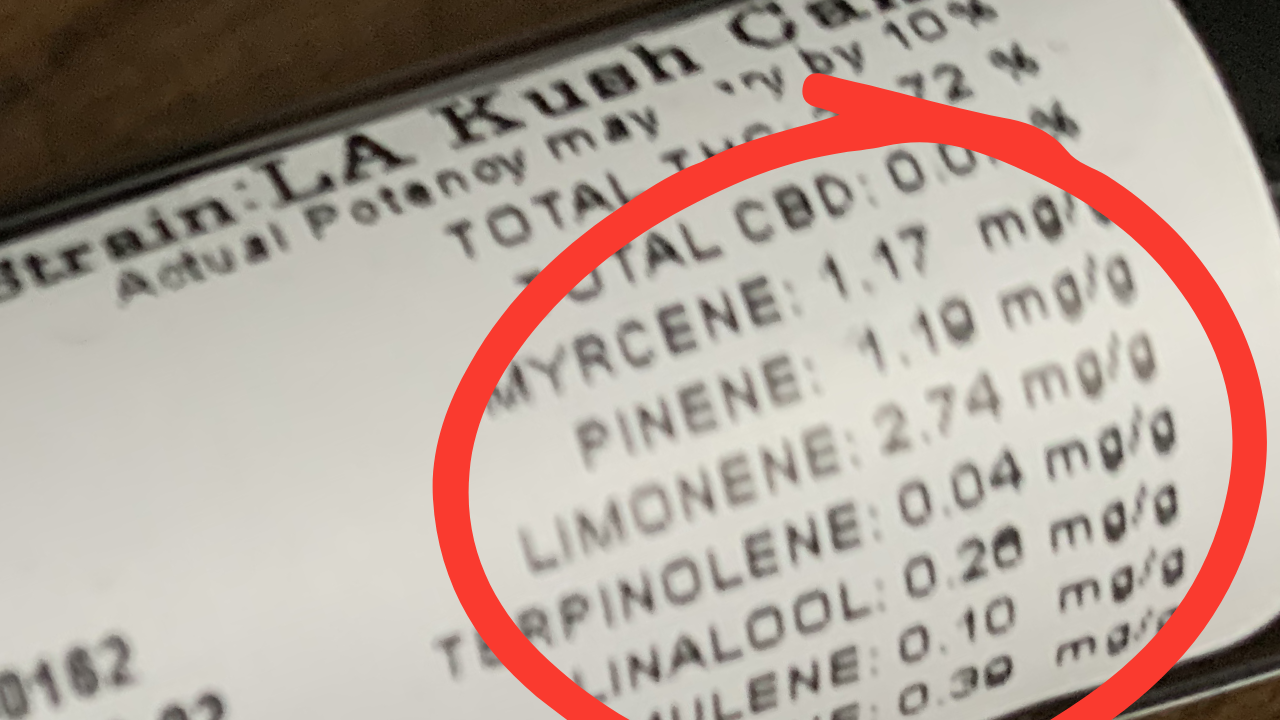
Common Citizen-created Michigan METRC label from 2020
It’s always an excellent sign to me when packaging has terpene information, either on the packaging or directly on the METRC tag. Huge green flag for flower, resin, rosin, & other full-spectrum products.
When posted, I look for flower with >2.5% terpenes & concentrates & AIO/carts >5.0%.
As always, the more transparent the company is about terpene content, genetics, & testing, the more confidence I usually have in the product overall.
Anything About Terpens, at all!
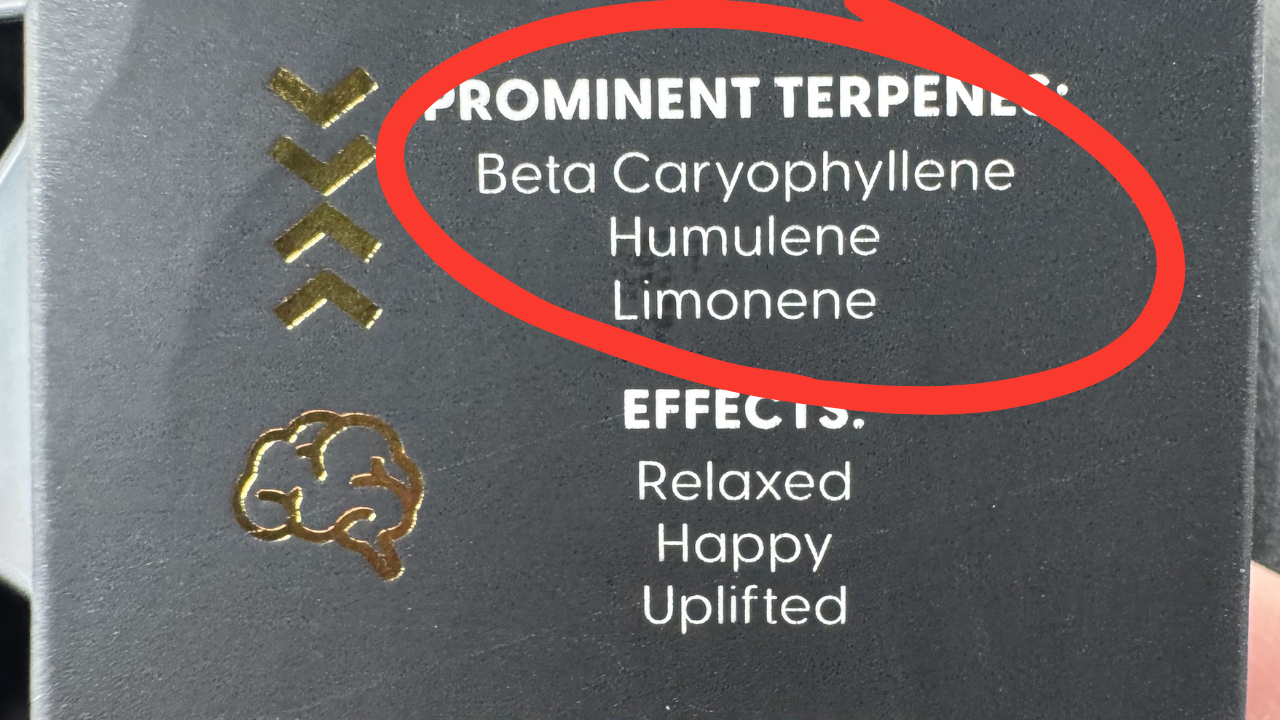
Mitten Extracts-created packaging from 2025
Even when left off official METRC labels, ANY terpene information is one of the best signs that a cannabis company cares about transparency. Knowing the dominant terpenes present can still give you a rough idea of flavor, aroma, & the overall direction of the experience.
At minimum, I need to see what those terpenes are, or have a legitimate place to research strain genetics, like the grower’s website.
Would exact percentages be better? Absolutely! But any terp info is usually a much better sign than products relying only on flavor additives & flashy packaging.
Genetics/Lineage
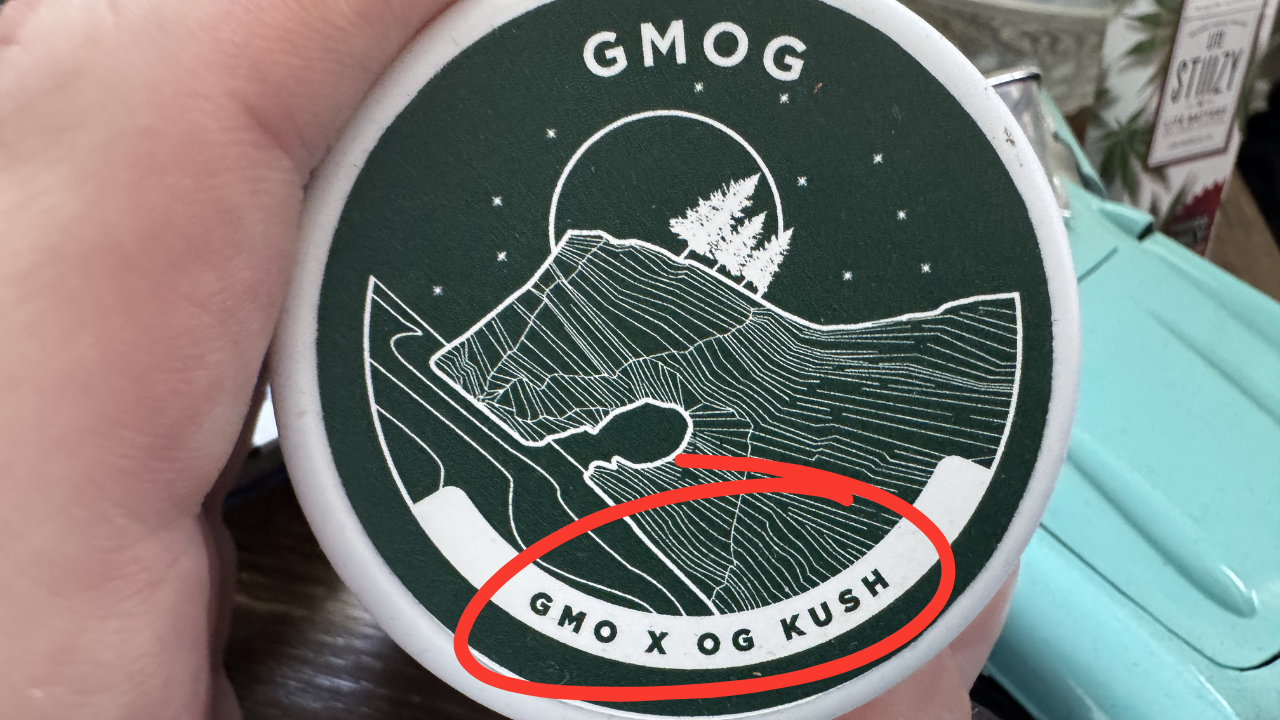
Michigrown-created Michigan METRC label from 2025
Also not legally required, genetics can tell you a LOT about what you’re actually buying.
Knowing the parent strains helps give insight into likely terpene profiles, flavor expectations, & potential effects.
Personally, genetics are CRAZY important to me when I’m shopping.
Honestly, with so many growers creating their own proprietary strain names, genetics are often one of the easiest ways to cut through the marketing & understand the bigger picture before you buy.
Don’t Let Labels Intimidate You!
At first glance, cannabis packaging can feel like reading tax paperwork written by stoners, & you wouldn’t be completely wrong.
But once you know what actually matters, those labels become one of the best tools you have for shopping smarter.
Instead of blindly chasing giant THC percentages or colorful packaging, start paying attention to freshness, terpene content, genetics, testing transparency, & product type.
Cannabis labels aren’t there just to satisfy regulators! They exist to help you make more informed, intentional choices about what you’re putting into your body.
Want to Learn More?
This is just the start of a larger cannabis education series covering terpenes, dosing, labels, and how to shop smarter.
Follow me on Instagram for regular content!
ADDITIONAL RESOURCES
Cannabis Regulatory Agency (CRA). Michigan Cannabis Regulatory Agency. State of Michigan, 2026, https://www.michigan.gov/cra.METRC. Understanding the Essentials of Seed-to-Sale Cannabis Tracking. METRC, 2026, https://www.metrc.com/understanding-the-essentials-of-seed-to-sale-cannabis-tracking/.MFT Automation. Michigan Cannabis Laws & Labeling Requirements. MFT Automation, 2025, https://mftautomation.com/michigan-cannabis-laws/.Custom 420. Michigan Marijuana Packaging Compliance Guide. Custom 420, 2025, https://custom420.com/michigan-marijuana-packaging-compliance/.Outlier Media. How to Read a Michigan Cannabis Label: Testing, THC Potency & Safety. Outlier Media, 2025, https://outliermedia.org/michigan-cannabis-weed-testing-labs-thc-potency-mold-label/.